Growing Opportunity Together: What We Learned About Capital Access for Oregon’s Small Farmers
At Adelante Mujeres, we know that when small farmers thrive, our entire community grows stronger. This past year, we were honored to stand alongside Friends of Family Farmers (FoFF) as a community partner in the Capital Assistance for Local Farmers (CALF) Project. This was a two-year effort to better understand and address the barriers facing Oregon’s smallest and most diversified producers.
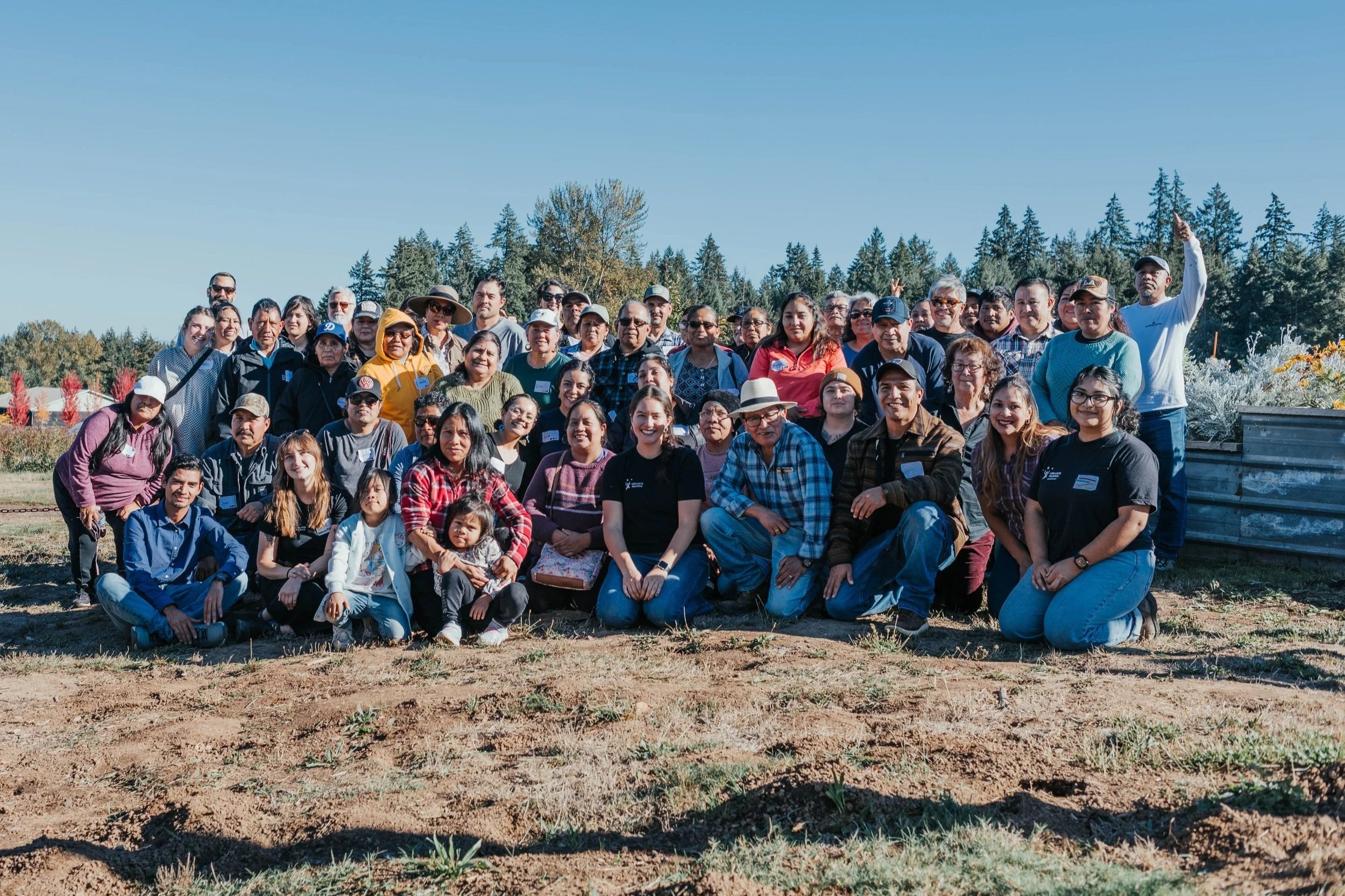
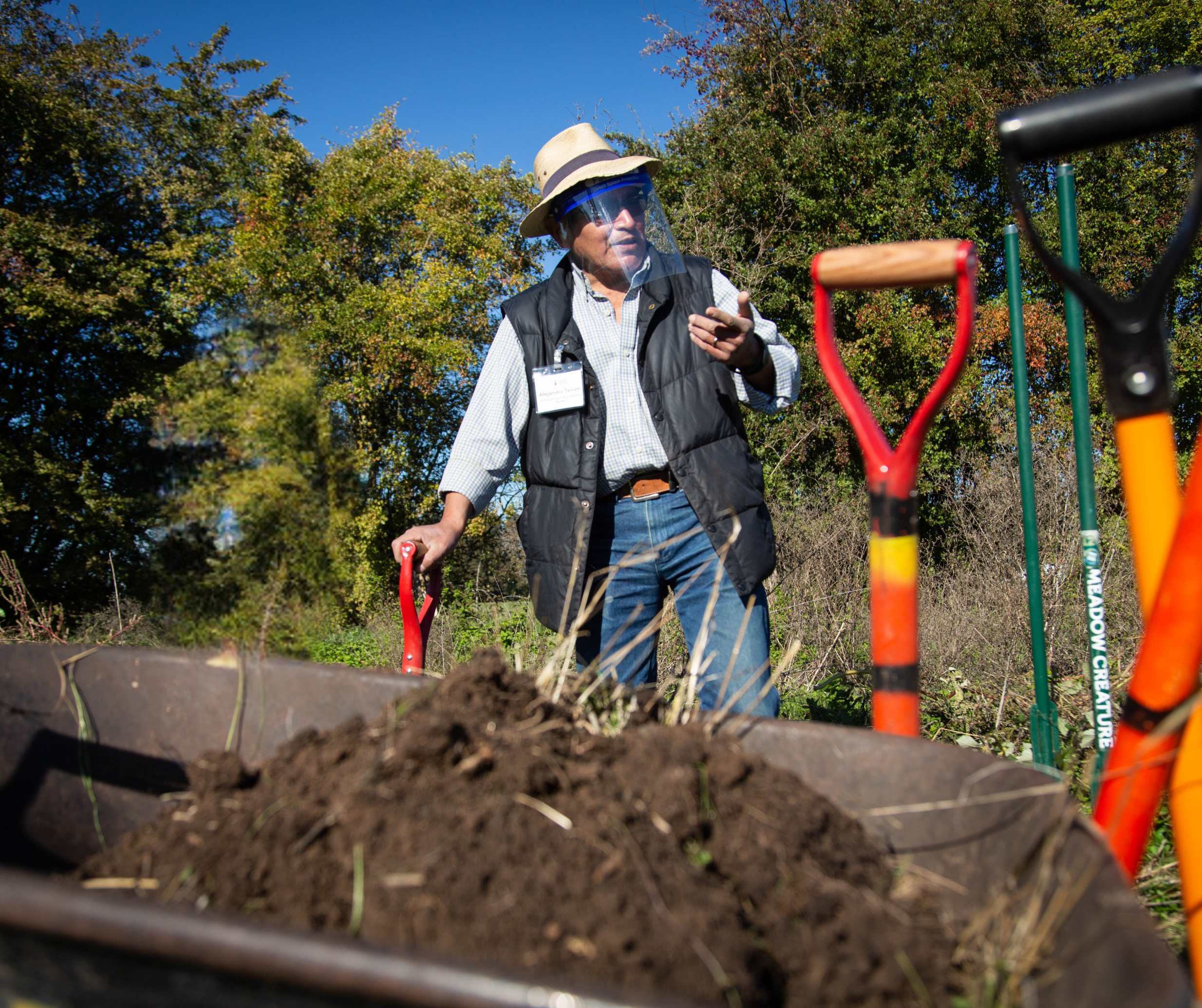
Our team—Javier Urenda Camacho, Alejandro Tecum, and Lourdes Herencia—participated in study meetings, contributed to the research process, and helped shape the final report. We also conducted two focus groups with farmers in our network, ensuring that the voices of Latine producers and the communities we serve were reflected in the findings. Today, we are proud to be part of the dissemination of this report and the collective action it calls us toward.
For us, this work is personal. It is about the farmers we walk alongside every day.
Listening to Our Community
Through our Regenerative Agriculture program, Adelante Mujeres supports Latine farmers across Oregon, many of whom are beginning farmers, small-scale producers, and stewards of deeply rooted agricultural traditions. As part of the CALF Project, we engaged these farmers in meaningful conversations about their needs, their challenges, and their experiences accessing capital and technical assistance.
Their stories were honest. Their insights were powerful. And their needs were clear.
The CALF Project brought together service providers, grantmakers, and traditional lenders to create a shared understanding of what resources exist and where the gaps remain. The goal was simple but ambitious: to gather data on the real barriers facing small producers and to develop tools and recommendations to move this work forward in tangible ways.
The Final Report represents the culmination of that collaboration. It outlines key findings and four recommendations developed by the Community of Practice as a starting point for continued action and research.
What We Heard: Key Barriers to Capital Access
Across surveys and focus groups statewide—including the sessions we hosted—farmers identified several common challenges that must be addressed if we are serious about strengthening local food systems.
1. Grant timelines don’t align with the growing season.
Agriculture moves with the rhythms of nature, not fiscal calendars. Farmers shared that many grant application periods, reporting requirements, and reimbursement models simply do not align with the realities of planting, harvesting, and marketing crops. For small operations especially, reimbursement-based funding can create financial strain. Programs must adapt to natural cycles, not the other way around.
2. Flexible funding is essential.
Small farmers expressed greater comfort with grants than loans, yet many grant opportunities are project-based and restricted. What farmers often need most is operating capital—flexible, unrestricted funding that allows them to stabilize and grow their businesses. At the same time, many are unable to access traditional loans due to farm size, business structure, or limited credit history. This mismatch between available funding and real-world needs is holding our smallest producers back.
3. Farmers need mentorship and administrative support.
Accessing capital is not just about filling out an application. It requires time, technical knowledge, financial literacy, and confidence navigating complex systems. Farmers shared that they need ongoing mentorship—before, during, and after grant or loan processes—as well as support building administrative skills that strengthen long-term sustainability.
These findings reflect the lived experiences of the farmers in our community.
Where We Go From Here
The CALF Project’s four recommendations provide a foundation for action. But reports alone do not create change. We must rely on our relationship, collective advocacy, and community-centered solutions.
At Adelante Mujeres, we remain committed to walking alongside Latine farmers and ensuring their voices shape the systems meant to support them. We will continue to advocate for funding models that reflect the realities of small-scale agriculture. We will continue to provide technical assistance, mentorship, and culturally responsive support. And we will continue to build bridges between farmers, funders, and policymakers so that capital access becomes a pathway to opportunity.
When we invest in small and midsize farmers, we invest in food security, economic resilience, cultural heritage, and environmental stewardship. We invest in a future where local agriculture is not only sustainable, but thriving.
We are deeply grateful to Friends of Family Farmers, to the funders and partners who participated, and most importantly, to the farmers who shared their stories with courage and clarity. Together, we are cultivating equity, resilience, and opportunity for generations to come.
We encourage everyone who cares about the future of local agriculture to read the full report and engage with its recommendations: https://drive.google.com/file/d/1x_X2AHgQolmEdTU3vYSfeg-sTFE0H9f8/view?usp=sharing