Understanding the Role of a Qualified Mental Health Associate (QMHA) in Our Community
Talking about mental health within the Latine community has not always been easy. For many individuals and families, conversations around trauma, anxiety, stress, and emotional wellness have often gone unspoken across generations. At Clínica Esperanza, we are committed to creating spaces where these conversations can happen with empathy, trust, and understanding.
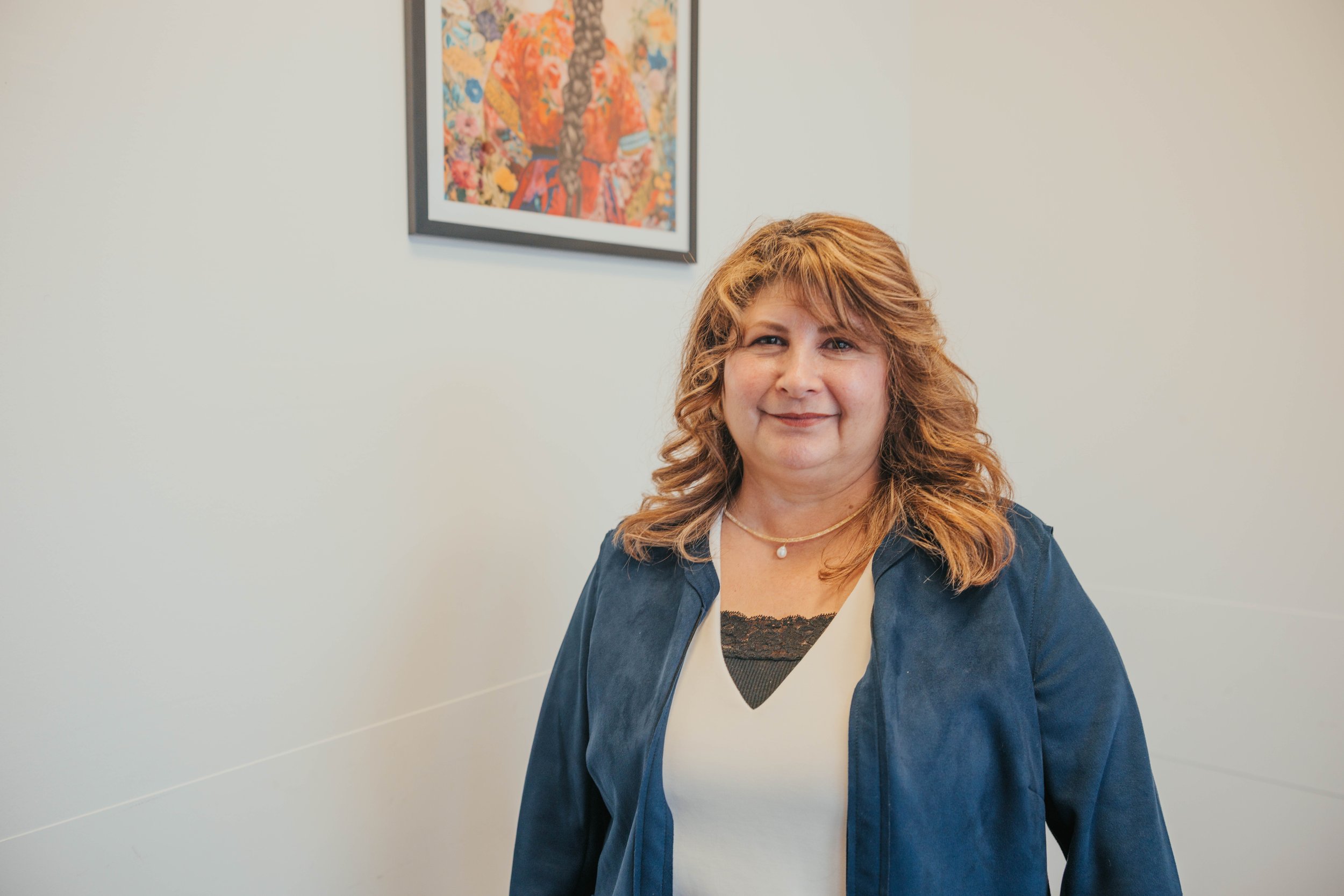
Lupe Hernández, Coordinator of Beyond Trauma (Violence Reduction Program), a Qualified Mental Health Associate (QMHA), and a Peer Support Specialist (PSS).
This work is made possible through the care and dedication of team members like Lupe Hernández, who has supported the Latine community through education and empowerment for more than 25 years. For the past eight years, she has served as the Coordinator of Beyond Trauma (Violence Reduction Program), a Qualified Mental Health Associate (QMHA), and a Peer Support Specialist (PSS).
As a QMHA, Lupe supports participants as they navigate emotional and mental health challenges by connecting them with resources, guidance, and tools to support their well-being. At Clínica Esperanza, our QMHA Team works closely with participants to build coping skills, strengthen emotional awareness, and provide compassionate support through experiences such as stress, anxiety, trauma, grief, and major life transitions.
Their role goes beyond connecting participants to services. Our QMHA staff help create safe, supportive relationships where individuals feel heard, respected, and understood. For many participants, these connections become an important step toward feeling more comfortable talking about mental health and accessing care.
“This is work that I truly love and believe in because I know every person has the potential to live a life filled with freedom, peace, and joy,” Lupe shares.
Through workshops and community-centered programs, Lupe and the Clínica Esperanza team guide conversations around trauma, secondary trauma, emotional wellness, and trauma-informed care. These spaces encourage participants to understand their emotional health better while learning practical tools to manage stress, fear, and anxiety in their everyday lives.
Programs like Beyond Trauma are designed to offer more than information. They create opportunities for connection, healing, and ongoing community support for individuals who may have experienced difficult circumstances in silence. Participants can access resources, develop practical wellness tools, and find encouragement within a safe and welcoming environment.
For Lupe, one of the most meaningful parts of being a QMHA is helping people recognize that they do not have to navigate their challenges alone. Often, she says, the journey toward emotional wellness begins when someone feels truly seen, supported, and understood without judgment.